Transmission Service and Repair in Wilson, NC — Lee Nissan Service Center
Not Every Transmission Concern Means a Rebuild — But Every One Deserves an Accurate Diagnosis
The transmission is the repair most drivers dread, and for understandable reasons. But the difference between a fluid service, a solenoid replacement, and a major internal repair often comes down to how early the concern is identified and what the diagnostic process actually finds. A gear that slips under acceleration, a delay before the vehicle moves after shifting into drive, or a shudder at certain speeds are all symptoms worth diagnosing rather than monitoring. The service team at Lee Nissan in Wilson handles transmission fluid services, diagnostics, and repairs for all makes and models — with confirmed findings and a written estimate before any work is authorized.
How the Transmission Works and Why Fluid Condition Is Central to Everything
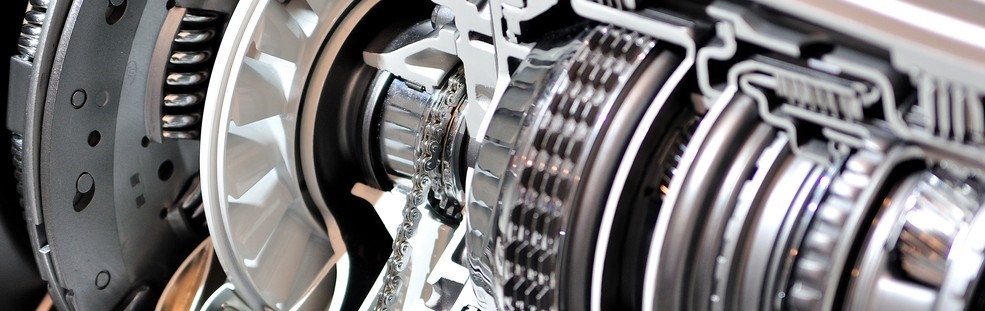
The transmission transfers engine power to the wheels at the correct gear ratio for the vehicle's speed and load conditions. In a conventional automatic, a torque converter links the engine to the transmission hydraulically, allowing the vehicle to remain in gear while stopped without stalling. A series of planetary gear sets, clutch packs, and hydraulic circuits select between gear ratios automatically based on vehicle speed, throttle position, and signals from the transmission control module. Every shift involves hydraulic pressure actuating a clutch pack or band at precisely the right moment — a process controlled by solenoids responding to the module's commands.
Continuously variable transmissions, found on a wide range of vehicles including many Nissan models, replace fixed gear steps with a pair of variable-diameter pulleys connected by a steel belt or chain. The pulley diameters adjust continuously to hold the engine at the most efficient speed for the driving condition. CVTs produce a smoother, more linear power delivery than stepped automatics but require specific fluid formulations developed for their operating characteristics. Using conventional automatic transmission fluid in a CVT, or mixing fluid types, accelerates belt and pulley wear in ways that are not immediately apparent but shorten the transmission's service life significantly.
- Automatic transmissions use hydraulic circuits and clutch packs to shift between fixed gear ratios
- CVTs deliver stepless ratio changes through variable pulleys and require specific fluid formulations
- Transmission fluid lubricates, cools, and provides the hydraulic pressure that controls every shift
Transmission fluid carries more responsibility than most drivers realize. In addition to lubrication, it transmits the hydraulic pressure that engages clutch packs and actuates bands, carries heat away from components that generate significant thermal energy during normal operation, and holds friction material and fine wear particles in suspension until the fluid is exchanged. As the fluid degrades, it loses viscosity stability, the additive package depletes, and accumulated heat cycles and friction material change its ability to perform any of these functions at the level the transmission requires.
Transmission fluid service intervals are not universal. Some manufacturers specify a fluid change at a defined mileage under normal conditions, others under severe service only, and some designate it as a lifetime fill that nonetheless benefits from inspection and exchange under certain driving patterns. The correct interval and the correct fluid type are both vehicle-specific — and using the wrong fluid or the wrong interval for your transmission type is one of the most common contributors to premature transmission wear.
Transmission Symptoms That Warrant a Prompt Inspection
Slipping is one of the most recognizable transmission symptoms and one of the most important to act on quickly. It describes the sensation of the engine revving upward without a corresponding increase in vehicle speed — as though the connection between engine and wheels briefly disengaged before resuming. In a conventional automatic, slipping typically reflects worn clutch material or a hydraulic pressure problem. In a CVT, belt wear or pulley surface condition are more common causes. In either case, slipping indicates something has moved outside of specification and the underlying cause needs to be identified.
A delay between moving the selector into drive or reverse and the vehicle actually responding is called engagement lag. A momentary pause on a cold morning is within normal range for many transmissions at startup. A delay of several seconds, or one that has grown longer over recent weeks, is a different situation. Engagement lag that develops or worsens over time often reflects low fluid level, degraded fluid pressure, or a developing issue in the hydraulic circuit that is worth diagnosing before it progresses further.
- Slipping during acceleration where engine speed rises without matching vehicle speed
- Delayed engagement when shifting into drive or reverse, particularly when the delay is increasing
- Harsh, abrupt, or shuddering shifts that differ from how the vehicle previously drove
Shuddering during acceleration — particularly at certain speed ranges on a CVT — is a symptom worth addressing rather than adapting to. CVT shudder during gentle acceleration or at highway entry speeds is a documented condition on a range of vehicles and is frequently resolved by a fluid exchange using the correct formulation, sometimes with a conditioning additive. That is not always the outcome — a diagnosis determines whether the shudder is fluid-related or mechanical — but it represents a scenario where a relatively straightforward service can resolve a symptom that feels far more serious than it is.
A burning smell near the transmission, reddish fluid spots beneath the vehicle, or a fluid level that has dropped without explanation are all conditions worth scheduling around rather than watching. Low fluid means the transmission is operating without adequate lubrication and hydraulic pressure. A leak needs to be located and corrected before the level drops to a point that accelerates internal wear. A burning smell typically indicates overheated fluid — which affects both the fluid's condition and the components it was supposed to protect during those operating periods.
Transmission Services Performed at Lee Nissan
From a routine fluid service to a full diagnostic workup and internal repair, our service team handles every level of transmission work for all makes and models. Here is what each service covers.
Transmission Fluid Service
A transmission fluid service removes degraded fluid and refills with the correct type and specification for your transmission. On vehicles where a drop-pan service is accessible, we inspect the pan and magnet for debris while the pan is off — the amount and type of material present provides useful information about what is happening inside the transmission. We confirm the correct fluid specification and service interval for your specific make, model, and transmission type before the service is performed. The right fluid matters as much as the service itself.
Transmission Diagnosis
When a transmission symptom, fault code, or warning light prompts an inspection, the diagnostic process goes beyond pulling the code. We review live transmission data including fluid temperature, line pressure, shift timing, torque converter behavior, and solenoid response to identify where the system is deviating from specification. In many cases the root cause is an external component — a sensor, solenoid, or wiring concern — rather than internal mechanical wear. Confirming that through the diagnostic process is what keeps the repair recommendation proportionate to what is actually failing.
Transmission Repair
When diagnosis confirms an internal mechanical or hydraulic failure, we provide a written repair estimate that reflects what was found before any work is authorized. Transmission repair scope varies considerably — from a solenoid or valve body replacement to a complete rebuild — and the estimate is built around the actual diagnosis rather than a default assumption. Every transmission repair includes a post-service test drive and live data verification to confirm the transmission is performing within specification before the vehicle is returned.
Diagnosis Before Recommendation, Every Time
Transmission repair is the service category where the diagnostic process matters more than almost anywhere else. The difference between a solenoid replacement, a fluid service with the correct formulation, and a complete rebuild is measured in thousands of dollars — and the only way to arrive at the right recommendation is confirmed diagnostic findings rather than assumptions drawn from symptoms alone. A rebuild is not the default recommendation on every transmission concern that comes through our service department.
Transmission service is available for all vehicle makes and models at our Wilson location. CVT, conventional automatic, and manual transmissions each require different fluids, different diagnostic approaches, and different repair procedures. We identify the transmission type in your vehicle before any service is discussed and follow the correct manufacturer procedures throughout the diagnostic and repair process.
- Transmission service and repair for all vehicle makes and models in Wilson
- Diagnosis completed and findings confirmed before any repair scope is recommended
- Written estimate reviewed and approved before any transmission work begins
Early intervention changes the scope of a transmission repair more than almost any other factor. A slipping clutch pack identified before the friction material has worn through is a hydraulic pressure or fluid condition concern. The same symptom left until the friction material is gone and the steel surfaces are in contact becomes an internal rebuild. Addressing a transmission symptom when it first appears rather than watching it for another several thousand miles is the clearest way to keep the repair manageable.
Customers who come in unsure whether their symptom is transmission-related or something else leave with a documented answer. If the transmission is performing within specification and the symptom points elsewhere, we identify that rather than proceeding with transmission work that was not the source. The goal is an accurate diagnosis that leads to the right repair, not the most extensive one.
Transmission Service at Lee Nissan in Wilson, NC
Our service center handles transmission work ranging from a fluid service to a complete internal repair, with diagnostic work that identifies the actual cause before any repair scope is determined. Transmission concerns — particularly active symptoms like slipping or engagement delay — are treated as priority scheduling items given the potential for a developing issue to progress with additional miles.
Located on Ward Boulevard in Wilson, we are open Monday through Saturday with early weekday drop-off for customers who need to leave a vehicle before the day begins. Transmission fluid services are typically completed within a standard service appointment. Diagnostic work and repair timelines depend on what the diagnosis finds, and we discuss a realistic estimate of both time and cost before any work is authorized.
- Transmission service available Monday through Saturday
- Fluid services typically completed within a standard service appointment
- Repair timeline and cost estimate confirmed before any work begins
Find Lee Nissan in Wilson, NC
Transmission Service Serving Wilson and the Surrounding Area
Drivers from across eastern North Carolina bring transmission concerns to Lee Nissan in Wilson because the process is transparent from the start — a diagnosis that identifies the actual cause, a written estimate before any work begins, and a repair that addresses what was found rather than what would be most extensive.
- Wilson, NC
- Rocky Mount, NC
- Goldsboro, NC
- Clayton, NC
- Zebulon, NC
- Greenville, NC
If you are coming in from out of town and want to describe a symptom before scheduling, call our service desk. We will help you assess whether the concern needs to be seen promptly or can be scheduled at your convenience, and we will have a realistic expectation on timing ready when you arrive.
Transmission Questions We Answer Every Day
Transmission concerns come with more questions than almost any other service. Here are five that our advisors field most consistently from customers across every make and model.
Q: How do I know if my transmission is slipping?
Q: Does transmission fluid ever need to be changed?
Q: What does it mean when my transmission warning light comes on?
Q: Can a transmission problem be fixed without a full rebuild?
Q: Does Lee Nissan service transmissions on all vehicle makes and models?
Have a transmission symptom that is not described here? Call our service desk and walk us through what you are experiencing — we can usually help you assess over the phone whether the concern needs immediate attention or can be scheduled.
Transmission questions deserve direct answers. We will give you one.
Schedule Transmission Service at Lee Nissan in Wilson
Transmission symptoms that are addressed early give the diagnostic process more options and the repair a narrower scope. A slipping clutch pack caught before the friction surfaces are damaged is a hydraulic or fluid concern. The same symptom left until the material is gone and bare metal is in contact becomes an internal rebuild. The difference between those two outcomes is often a matter of how many miles the symptom was driven through before the vehicle was brought in.
Our Wilson service center handles every level of transmission work for all makes and models. The process starts with a diagnosis that identifies the actual cause. The repair recommendation follows the findings. The written estimate is reviewed and approved before any work begins. And the vehicle is test-driven and data-verified after the repair before it is returned. There are no assumptions and no shortcuts on transmission work.
Schedule your appointment online, call during business hours, or stop by and describe what the vehicle is doing. If you are unsure whether what you are experiencing is a transmission issue or something else, give us a call — we will help you determine the right next step before you commit to a service visit.
Service Specials


Same Day Maintenance Bonus
15% Off Every $100 of Maintenance Items Performed Same Day. Excludes Oil Changes & Tire Rotations.
Tire Special
Participating brands only Must be installed at dealership