Coolant System Service in Wilson, NC — Lee Nissan Service Center
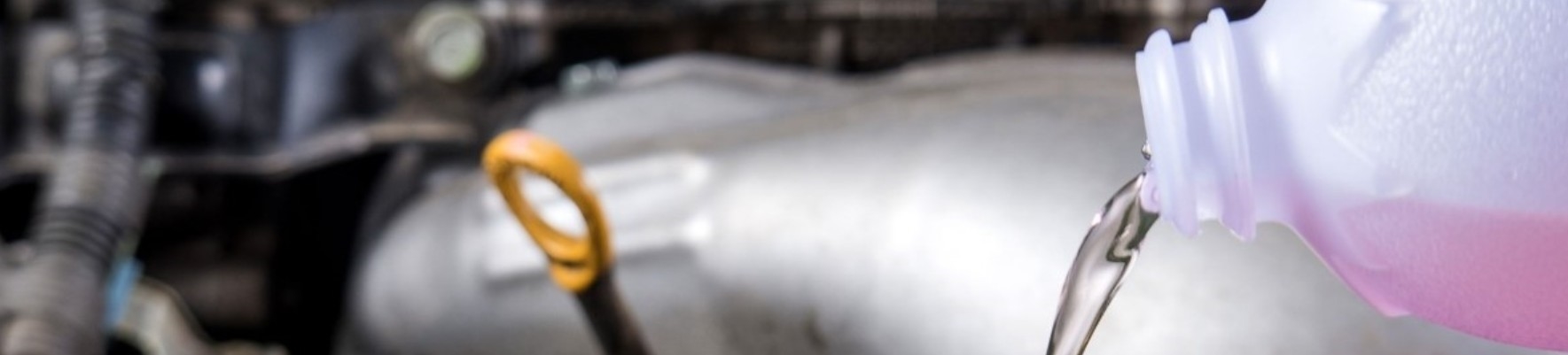
A Cooling System That Fails Quietly Until It Doesn't
Overheating is one of the fastest ways to turn a routine maintenance item into an expensive engine repair. The cooling system keeps your engine operating within its safe temperature range under all driving conditions — including stop-and-go traffic, long highway runs, and the heat of a North Carolina summer — and most of its components wear gradually without obvious symptoms until something gives way. The service team at Lee Nissan in Wilson handles coolant inspections, flushes, hose replacements, and full cooling system repairs for all makes and models, with a written estimate in hand before any work is authorized.
How the Cooling System Keeps Your Engine Running Within Range
Internal combustion engines generate enormous heat during normal operation. Without a functioning cooling system, that heat would climb past safe limits within minutes. Coolant — a mixture of antifreeze and water — circulates continuously through the engine block and cylinder head, absorbing heat as it moves. That heated fluid travels to the radiator, where airflow through the radiator fins draws the heat away before the cooled fluid returns to start the cycle again.
The water pump drives circulation through the entire system. A thermostat regulates when coolant begins flowing toward the radiator, holding the engine at operating temperature rather than allowing it to run too cold. Radiator and heater hoses carry fluid between components. The heater core, a smaller version of the radiator mounted inside the dash, transfers heat from the coolant to the air entering the cabin. Each component is straightforward on its own, but a failure at any point disrupts the full cycle.
- Coolant degrades over time and loses its ability to transfer heat and resist internal corrosion
- Hoses become brittle, crack, or develop soft spots that rupture under system pressure
- Thermostat failures cause the engine to run too hot or stay below operating temperature
Coolant does more than prevent overheating. The antifreeze component protects the engine during hard freezes, and the additive package in fresh coolant inhibits corrosion of the metal surfaces inside the engine block, radiator, and water pump. As the fluid ages, those additives break down. Old coolant may continue circulating and transferring heat for a while, but the loss of corrosion protection allows rust and scale to accumulate — particulate buildup that damages the water pump impeller, restricts flow through the radiator, or deposits inside narrow engine passages over time.
We check coolant condition, concentration level, and overall system integrity as part of our multi-point inspection at every service visit, so you always have a current picture of where the cooling system stands rather than discovering a problem when something stops working.
Cooling System Symptoms Worth Acting On
The temperature gauge is the most direct indicator of a cooling system problem. A needle that climbs higher than its usual resting point, or a warning light that appears on the dash, means the system is struggling to manage engine heat. Continuing to drive an overheating engine risks warped cylinder heads, a failed head gasket, or damage to internal engine components — repairs that start at several hundred dollars and move well past that depending on severity.
A sweet smell from the engine compartment or through the climate vents is a signal worth investigating. Coolant has a distinctive odor, and the smell usually means fluid is leaking somewhere and contacting a hot surface, or entering the ventilation path through a failing heater core. A puddle under the front of the vehicle after it has been sitting — particularly a colored or slightly slick spot rather than clear AC condensation — points to an active leak that needs to be addressed before the fluid level drops far enough to cause overheating.
- Temperature gauge reading higher than normal or a coolant warning light on the instrument cluster
- Sweet or antifreeze-like smell from the engine bay or through the cabin vents
- Colored puddle under the front of the vehicle after it has been parked
White steam or smoke rising from under the hood calls for pulling over safely and shutting the engine off. That typically means coolant is contacting a hot surface or entering the combustion chamber — the result of a ruptured hose, a failed connection, or a head gasket that has begun to let go. Running the engine past that point is how a repairable cooling system issue becomes an engine replacement conversation.
Weak heater output inside the cabin can also reflect cooling system conditions. When the cabin heater barely produces warm air even after the engine has been running for several minutes, the cause may be a low coolant level, a thermostat that is stuck open, or a partially restricted heater core. It is easy to write off as a comfort inconvenience, but the same condition that limits heat delivery can point to a cooling problem that matters considerably more in warm weather.
Cooling System Services Performed at Lee Nissan
From a fluid check to a complete flush and refill or component replacement, our service team handles every level of cooling system work for all makes and models. Here is what each service involves.
Coolant System Inspection
A cooling system inspection covers coolant condition, concentration level, and pH, a pressure test to identify leaks the system is not making obvious on its own, hose integrity at both ends and through the body, radiator cap pressure rating, thermostat operation, and overflow reservoir condition. Fan function and any external signs of coolant loss are checked as part of the same inspection. Results are documented and reviewed with you before any repair recommendation is made.
Coolant Flush and Refill
A coolant flush removes degraded fluid and any accumulated rust or scale deposits before filling the system with fresh coolant mixed to the correct antifreeze-to-water ratio. We use the coolant formulation specified by your vehicle's manufacturer — OAT, HOAT, and other proprietary types exist, and mixing incompatible formulations can accelerate corrosion rather than prevent it. The flush interval is confirmed against your manufacturer's specification for your specific vehicle before the service is scheduled.
Hose and Component Replacement
Radiator hoses, heater hoses, the thermostat, radiator cap, and overflow reservoir are wear components that need replacement when they show deterioration or fail a pressure test. We stock common parts for a wide range of vehicles and can source components for less common makes quickly. When a part needs to be replaced, we explain what failed, confirm the written estimate before beginning, and verify the repair with a post-service pressure check before the vehicle leaves.
Honest Cooling System Service for Every Vehicle
Cooling system service is an area where customers can receive recommendations that outpace what the vehicle actually requires. Our approach is grounded in what the inspection shows rather than what a service interval chart suggests. If your coolant tests within the acceptable range for concentration and pH and the system holds pressure cleanly, we tell you that. A flush is not recommended on a vehicle whose fluid does not call for one yet.
We handle cooling system work for all makes and models at our Wilson location. Coolant formulations vary significantly by manufacturer, and using the wrong type can cause the additive packages to react in ways that create corrosion instead of preventing it. Our technicians verify the correct fluid specification for your vehicle before any coolant service is performed, and manufacturer torque specifications are followed on every thermostat, hose clamp, and component installation.
- Coolant system service for all vehicle makes and models in Wilson
- Manufacturer-specified coolant type confirmed before every flush and refill
- Written estimate reviewed and approved before any repair work begins
Drivers coming in from Elm City, from the Highway 264 corridor, and from nearby towns like Tarboro tell us consistently that the inspection report was straightforward, the estimate matched the invoice, and the vehicle left running the way it should. That consistency is what we hold ourselves to on every cooling system visit, whether the job is a fluid check or a thermostat replacement.
If the temperature gauge has been behaving differently, if there is a smell you cannot place, or if it has simply been a long time since anyone looked at the cooling system, schedule an inspection and we will give you a clear picture of where things stand.
Coolant System Service at Lee Nissan in Wilson, NC
Our service center on Ward Boulevard in Wilson is equipped to handle cooling system work from a routine inspection through thermostat replacement and radiator service. Active overheating symptoms are treated as priority items in our service queue given the potential for engine damage if the vehicle continues to be driven — if you are experiencing symptoms, schedule rather than wait.
We are open Monday through Saturday with early weekday drop-off available for customers who need to leave a vehicle before the day gets going. Most cooling system services — including flushes, hose replacements, and thermostat work — are completed the same day in the majority of cases. We confirm an estimated completion window at drop-off and follow up if anything changes once the inspection is underway.
- Coolant system service available Monday through Saturday
- Same-day completion on most coolant flushes and component replacements
- Early weekday drop-off for customers with morning work or school commitments
Find Lee Nissan in Wilson, NC
Coolant Service Serving Wilson and the Surrounding Area
Drivers from across eastern North Carolina bring their vehicles to Lee Nissan in Wilson for cooling system service. Every visit includes a thorough inspection, a written estimate before work begins, and a completed job that meets manufacturer specifications for your vehicle.
- Wilson, NC
- Rocky Mount, NC
- Goldsboro, NC
- Clayton, NC
- Zebulon, NC
- Greenville, NC
If you are driving in from out of town and want to confirm scheduling or wait time availability before making the trip, call our service desk and we will have an answer ready. Overheating concerns and active cooling system symptoms are not something we ask customers to put off — reach out and we will work to get you in promptly.
Coolant System Questions We Answer Every Day
Most customers have at least one question about their cooling system before scheduling service. Here are the five our service advisors hear most often.
Q: How often should the coolant be flushed and replaced?
Q: What does it mean when the temperature gauge reads higher than usual?
Q: Can I just add coolant to a low reservoir instead of getting a flush?
Q: Does the type of coolant used actually matter?
Q: Does Lee Nissan service cooling systems on vehicles other than Nissans?
Have a cooling system concern that is not covered here? Call our service desk and describe what you are noticing — an advisor can usually help you determine whether it warrants immediate attention or can wait for a scheduled visit.
Cooling system questions are ones we take seriously and answer directly. Do not hesitate to reach out.
Schedule Coolant Service at Lee Nissan in Wilson
Cooling system issues caught early stay manageable. A thermostat replacement or a hose swap handled at the right time costs a fraction of what engine repairs cost when overheating goes on long enough to cause internal damage. The distance between a minor cooling system issue and a major engine repair is often just a matter of how long the vehicle was driven before the problem was addressed.
Our Wilson service center handles every level of coolant system work for all makes and models. Every job starts with a written estimate and finishes with a post-repair check before the vehicle leaves the lot. We use the manufacturer-specified coolant formulation for your vehicle, follow correct installation procedures on every component, and do not take shortcuts on a system this directly tied to engine longevity.
Book your appointment online in a few minutes, call during business hours, or stop by if something on the dash or under the hood has your attention. If you are not sure whether what you are seeing or smelling warrants a same-day visit, call and describe it — we will give you a direct answer.
Service Specials


Tire Balance & Rotation
Properly balanced & rotated tires can improve tire life, gas mileage, ride comfort and uniform wear. Our Trained Technicians will balance, rotate and inflat
Read More

State Inspection
Safety Inspection $13.60 | Emissions Inspection $30